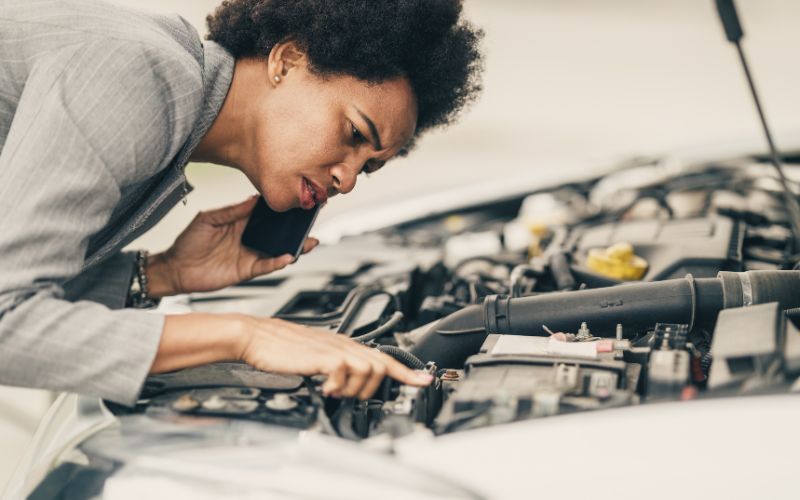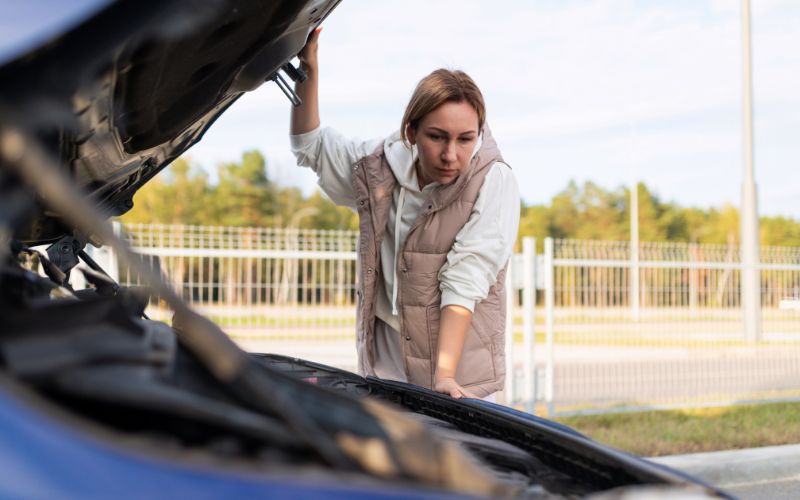


There is a Bank holiday rush throughout the Midlands. During short trips, family visits, or weekend breaks, roads are usually filled with people traveling short distances. Though this is an excellent occasion to go out, it also increases the risk of car trouble.Heavy traffic, traffic jams, and long driving hours may exert an additional strain on your car. The last thing any motorist would desire is a breakdown in the heavy holiday traffic.The following are useful guidelines to assist you in the event of issues and while on the road.
Check Your Car Before You Travel
The most crucial step is preparation. A couple of minutes before leaving your home, take a few minutes to inspect your car.Check tire pressure and ensure all tires are in excellent condition. The level of check engine oil, coolant, and screen wash. Such minor inspections can avert larger problems in the future.And, test your battery. Numerous breakdowns occur due to battery failures, particularly after the car has not been used for a few days.
Plan Your Journey Smartly
Traffic on bank holidays can be quite unpredictable. This is because busy routes within and around cities, such as Birmingham, are usually characterized by heavy congestion. Attempt to plan your trip. Navigate apps: To avoid traffic congestion, use navigation apps to check traffic conditions in advance and select routes with lower congestion. Coming in or out of the peak times will also decrease stress on you and your car.
Avoid Overloading Your Vehicle
Many drivers have extra luggage when they are on holiday. Although this is natural, when you start putting a lot of weight in your car, this may have an impact on performance.Tires, brakes, and suspension are under strain from heavy loads. It is also capable of increasing the amount of fuel used, and driving becomes less stable.Even your load, and make sure it does not exceed the recommended limits to avoid needless strain.
Watch Engine Temperature in Traffic
Among the problems that are likely to arise during bank holidays is overheating.When you are in a traffic jam, and your car spends a lot of time there, you find that your engine works hard while little air passes through it. This may lead to an increase in the temperature.Keep an eye on your dashboard. Should the temperature begin to rise, then turn off the air conditioning and allow the engine time to cool down.Should the necessity arise, then safely pull over and wait before proceeding.
Drive Smoothly in Stop-Start Traffic
Stopping and starting driving will be tough on your car. Quick stopping and acceleration can wear out the brakes, leading to higher fuel consumption. Attempt to drive smoothly and maintain a steady pace. Maintain a proper distance between your car and the car ahead of you.This will decrease the stress on your vehicle and the chance of mechanical problems.
Keep Fuel or Charge Levels High
A low fuel/battery life during the peak traffic can easily become a critical issue. It is always advisable to ensure you have sufficient fuel or charge when you embark on your journey. On bank holidays, the lines at petrol stations and charging points may be longer than usual.It is preferable to fill up early rather than risk getting stuck.
Stay Prepared for Emergencies
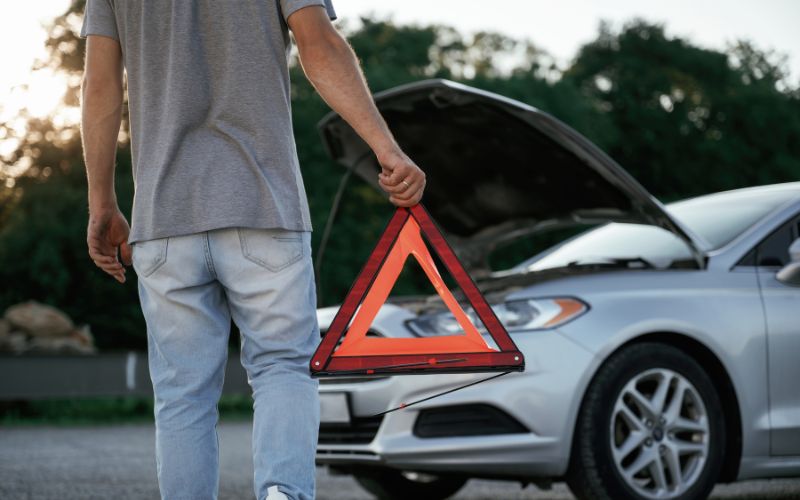
Despite proper preparation, anything can go wrong. Always keep the essentials in your car, including a phone charger, water, and a reflective jacket. On some occasions, having a warning triangle can also come in handy.
Know Who to Call
When there is a lot of traffic during a holiday, then quick assistance is significant. Before traveling, save the contact information of a good service, such as Flash Breakdown Recovery & Services. This will save time and reduce stress if something goes wrong. Recovery services are usually available locally in the Midlands and can reach you more quickly than national services.
Take Breaks During Long Drives
Long hours of driving without a break may affect you and your vehicle. Short breaks will help cool the engine and keep you awake. It also minimizes the possibilities of errors made when driving. It can be a quick break every 2 hours or so, making your trip more enjoyable and safer.
Avoid Last-Minute Driving
Many drivers wait until the last minute to go on a trip, making traffic more congested. Where feasible, it is better to avoid peak travel hours, particularly on the first and last days of the bank holiday. Fewer cars on the road will reduce the stress on your car and the likelihood of a breakdown.
Final Thoughts
The Midlands are known to have challenging bank holiday traffic, but most breakdowns could be avoided. Even little things like checking your car, planning your trip, and driving safely can make a big difference. It is not only to arrive at your destination, but to do so in safety, with ease, and in relaxation.When properly prepared, you will find that you have a lot of fun on your way and few unnecessary hassles from breakdowns.
FAQs
- What is more common during bank holidays than during other times of the year?
Due to heavy traffic, the extra distance, and the added pressure on the cars.
2. What is right before traveling?
Tires, battery, oil, coolant, and fuel/charge levels.
3. What can I do to help me not overheat in traffic?
Pull up and down smoothly, check the temperature gauge, and take breaks as required.
4. Is it significant to plan my route?
Yes, it prevents you from spending a lot of time in traffic, and it also relieves your car from having to spend a lot of time in it.
5. What is the reason to do it in case my car breaks down?
Go to a safe area, activate hazard lights, and call a recovery service for assistance.